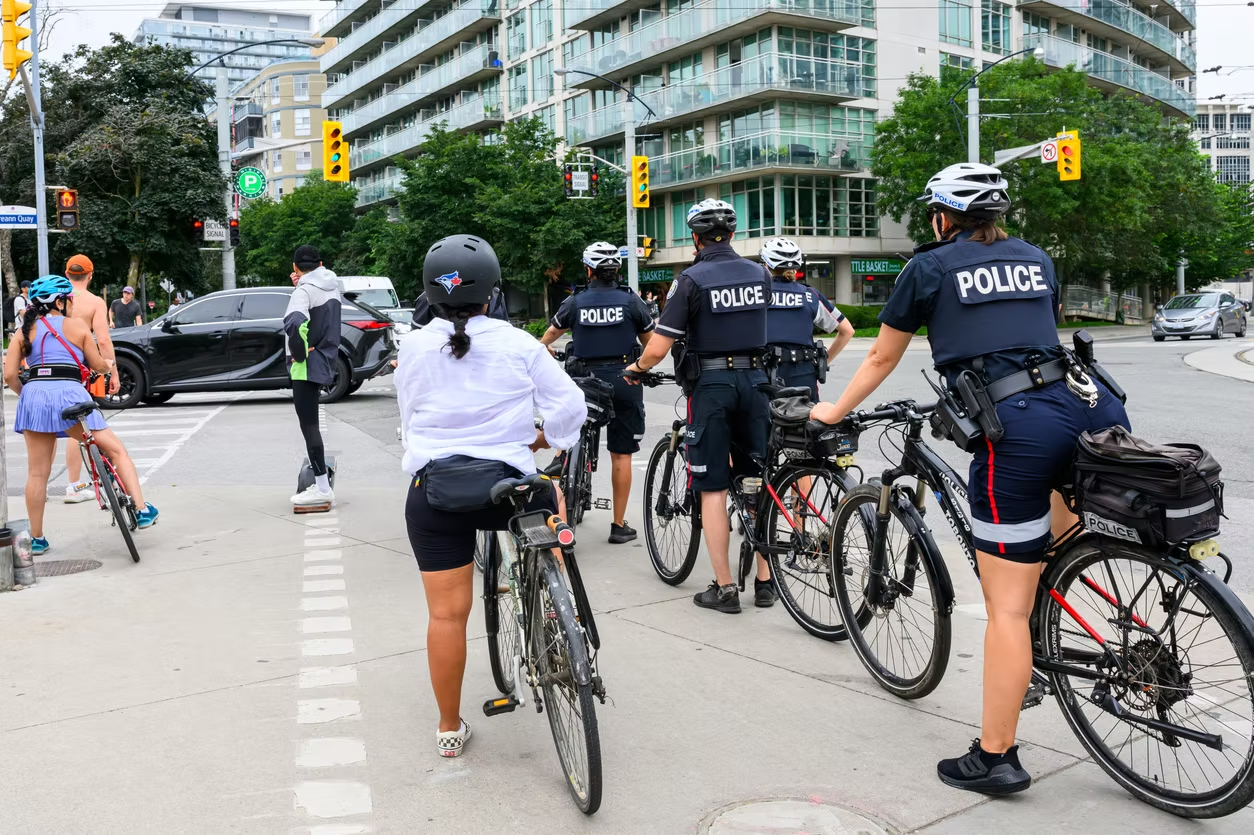
SIU Endorses Police Use of Force That Left 21-Year-Old Cyclist With Traumatic Brain Injury Over Minor Traffic Offence
SIU Report: “The Complainant rode parallel to the north curb as the SO approached from behind and placed his open left hand

SIU Report: “The Complainant rode parallel to the north curb as the SO approached from behind and placed his open left hand

Explains whether cyclists may ride two abreast in Ontario and elsewhere in Canada. The article discusses visibility and passing safety, differences between provincial and municipal rules, and recommends prioritizing safety and moving single file when necessary to permit safe passing.

A guide for cyclists injured by potholes and other road hazards. It recommends reporting hazards, seeking medical attention, documenting and measuring the hazard, contacting a lawyer promptly, and providing required municipal notice within the applicable deadline.
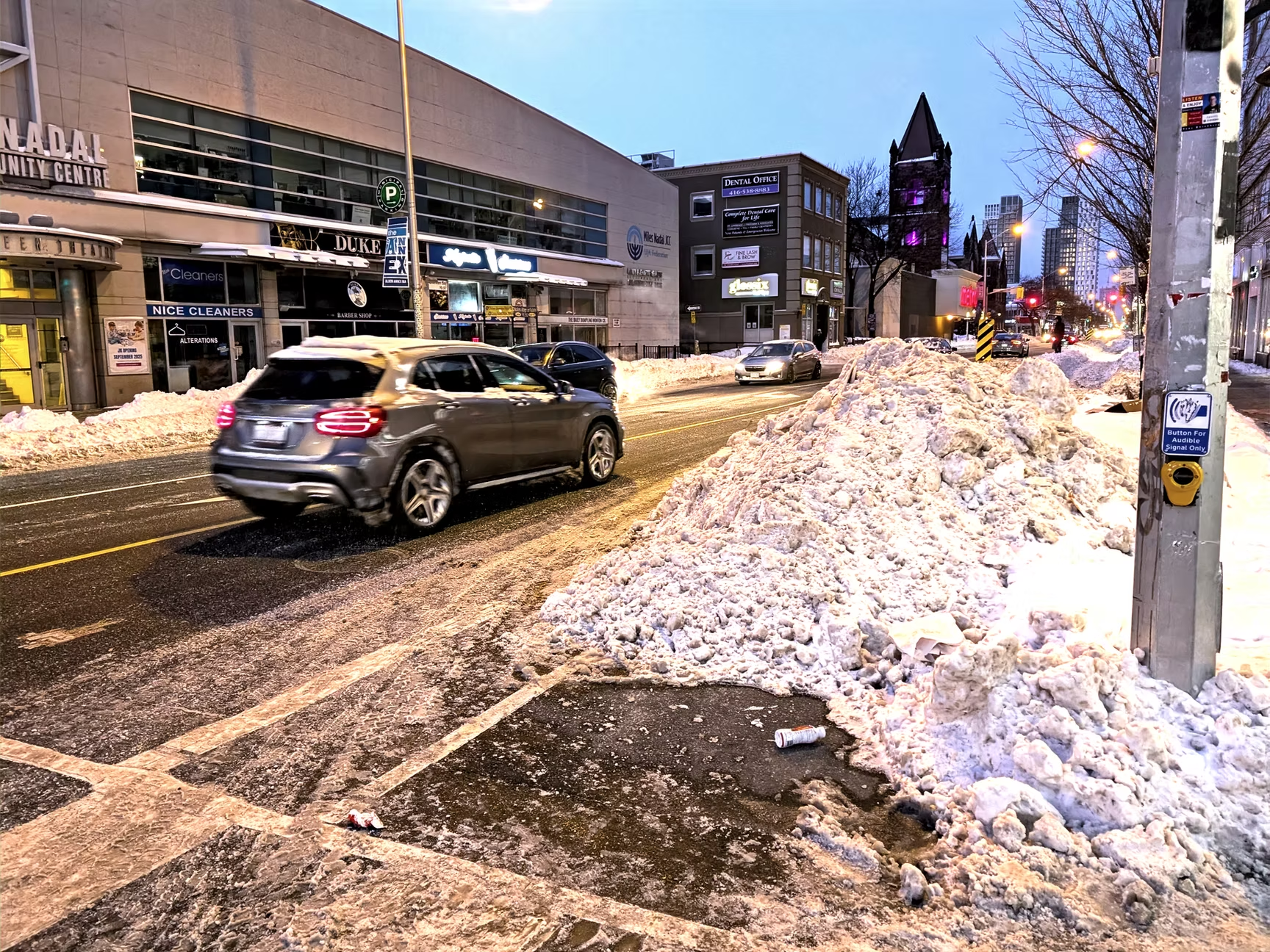
Discusses injuries caused by snow and ice on municipal and private property in Ontario. It highlights short notice periods, documenting the scene, seeking medical attention, contacting counsel, and notifying the municipality promptly.
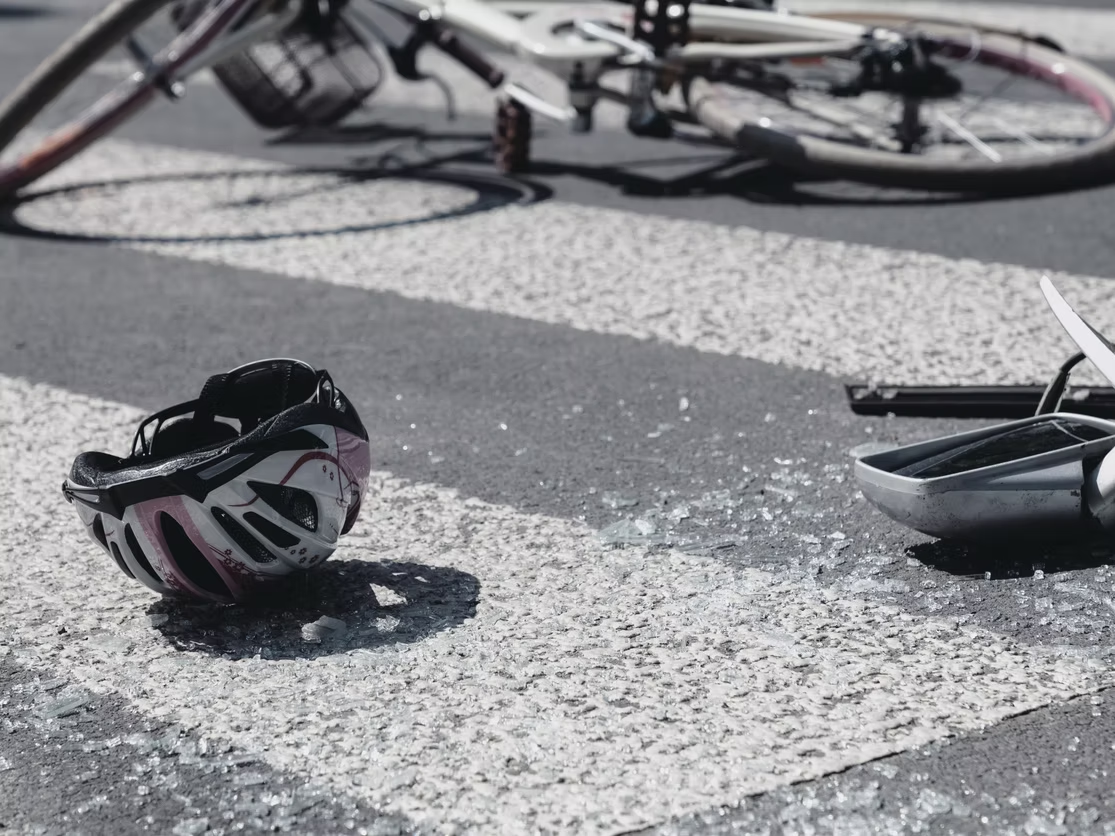
Explains why photographs, video, vehicle information, witnesses, signage, road conditions and nearby cameras can be critical evidence after a cycling collision. It also advises preserving damaged bikes and helmets and documenting the scene when possible.
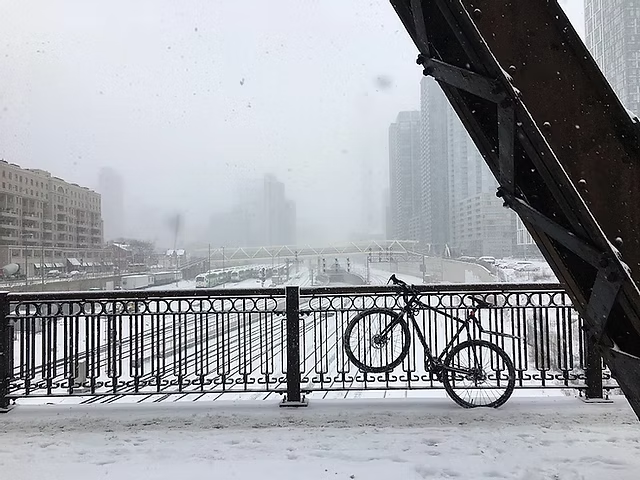
Offers practical advice for riding through Ontario winters, including using lights and visibility gear, riding according to conditions, lowering tire pressure for grip, dressing in layers, protecting the face and eyes, and maintaining the bicycle against winter wear.
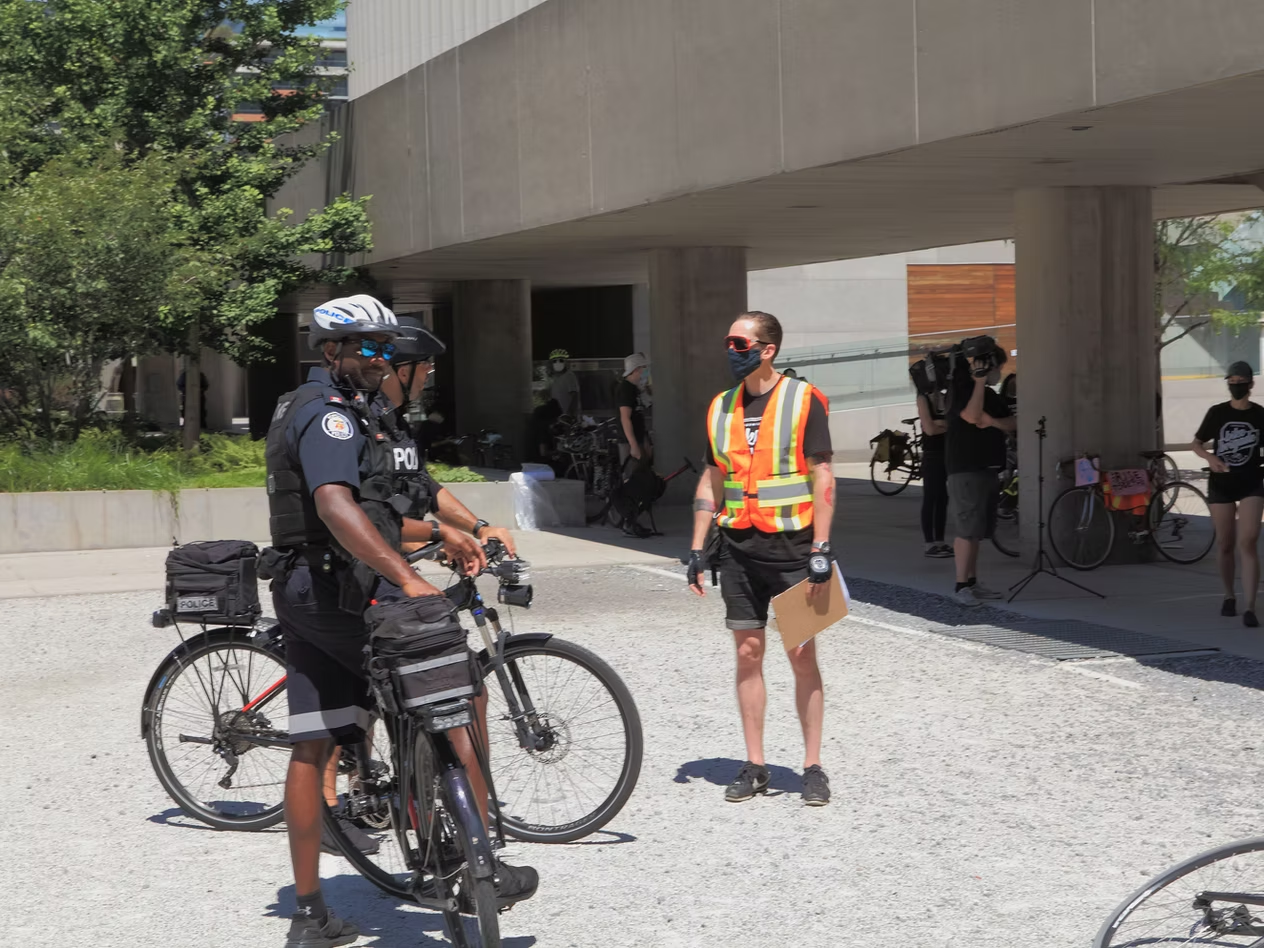
Provides practical steps for cyclists dealing with dangerous or violent drivers: get safe, record the licence plate when possible, collect evidence and witnesses, report the incident, and seek legal help if injured. It also explains why reporting helps build safety data.
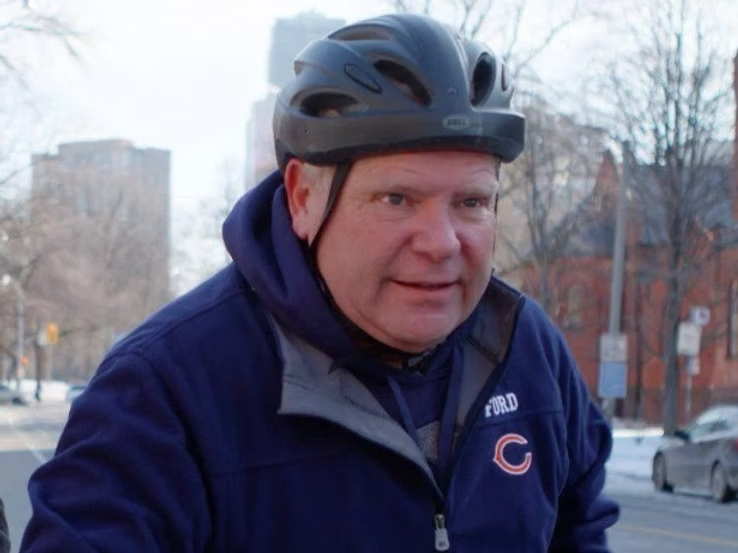
Argues against political opposition to protected bike lanes in Ontario and discusses claims about congestion, business, safety and transportation. The article advocates for continued bike-lane development and stronger protection for vulnerable road users.
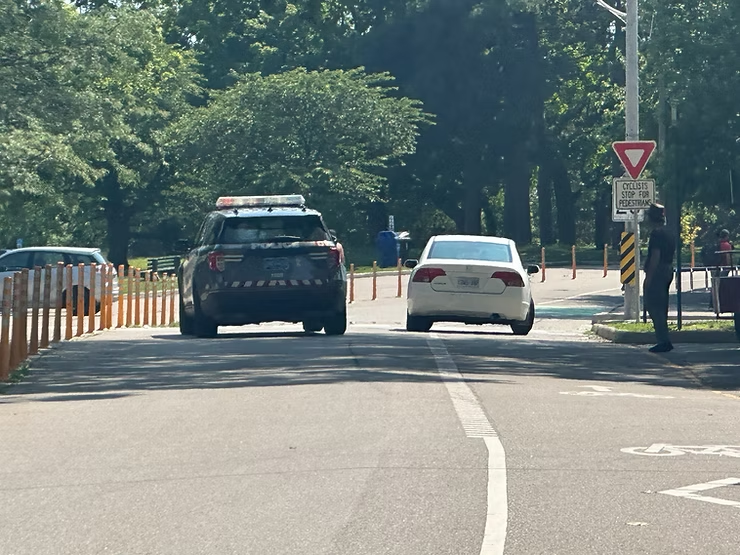
Questions the allocation of Toronto Police resources in High Park, arguing that routine cyclist enforcement should be weighed against serious collision risks elsewhere in Toronto. It calls for data-driven resource allocation and greater attention to dangerous driving and bike-lane safety.
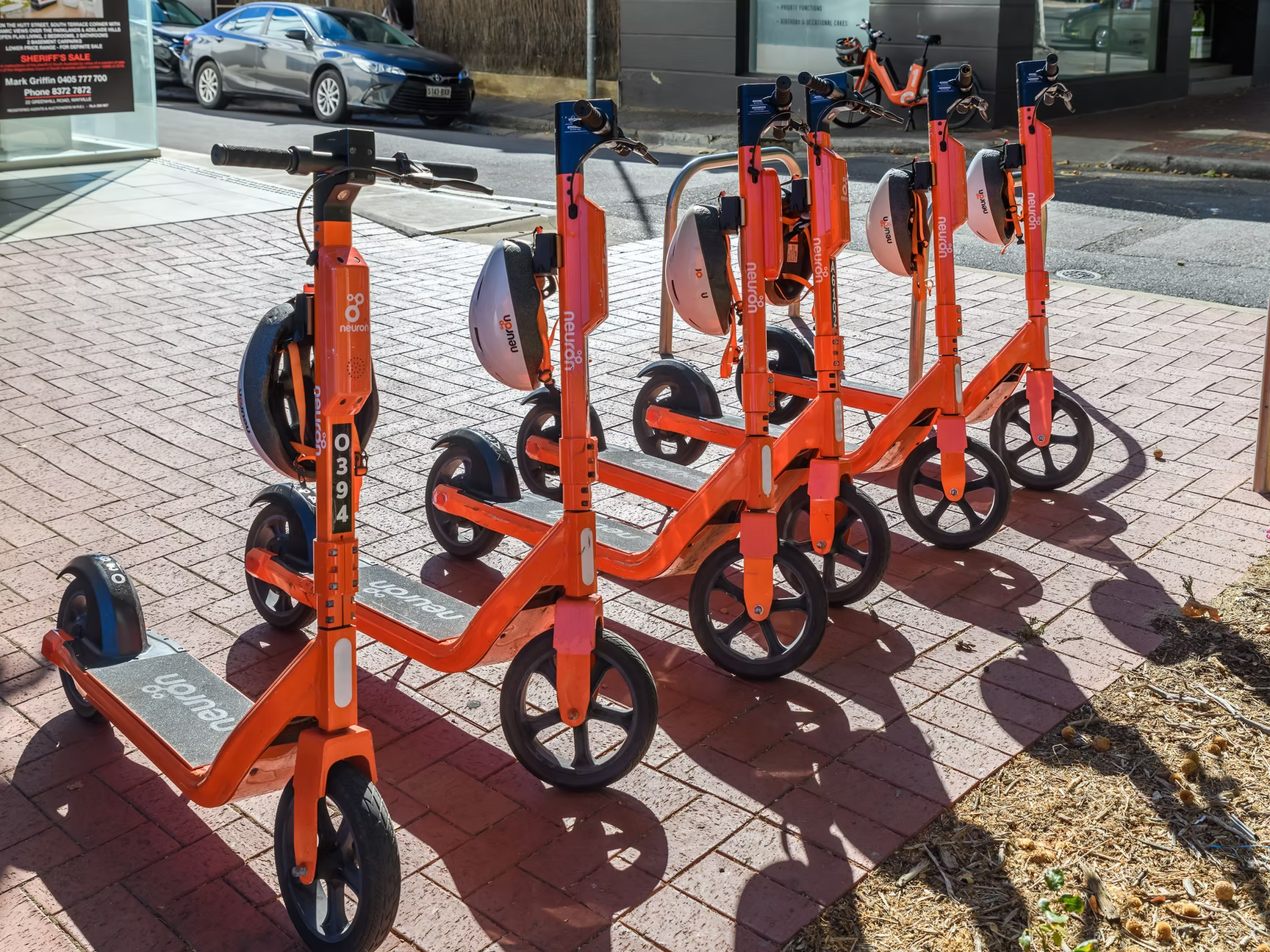
Explains Ontario e-scooter rules, including equipment and operating requirements, municipal differences, and where scooters may be used. It also outlines practical steps after a collision involving a motor vehicle and discusses accident benefits and potential claims.