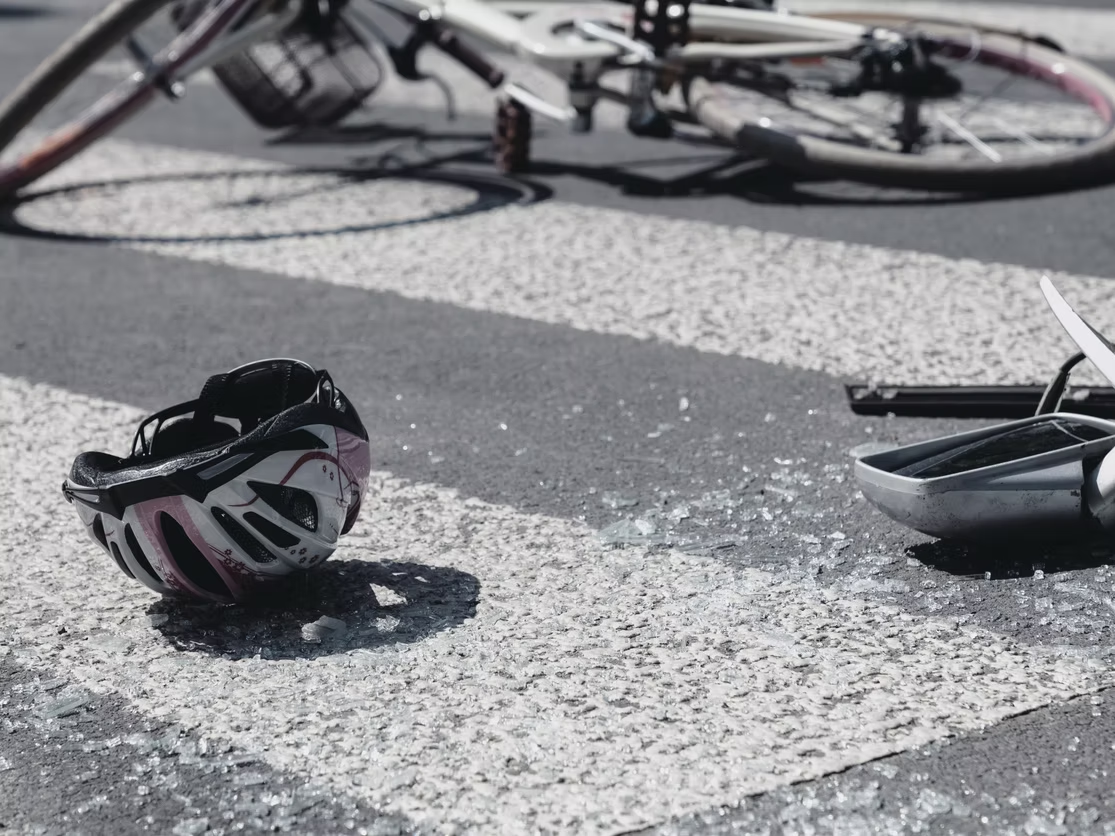
In a Collision, Document Everything.

Explains why photographs, video, vehicle information, witnesses, signage, road conditions and nearby cameras can be critical evidence after a cycling collision. It also advises preserving damaged bikes and helmets and documenting the scene when possible.
Read More »

Hot Winter Cycling Tips

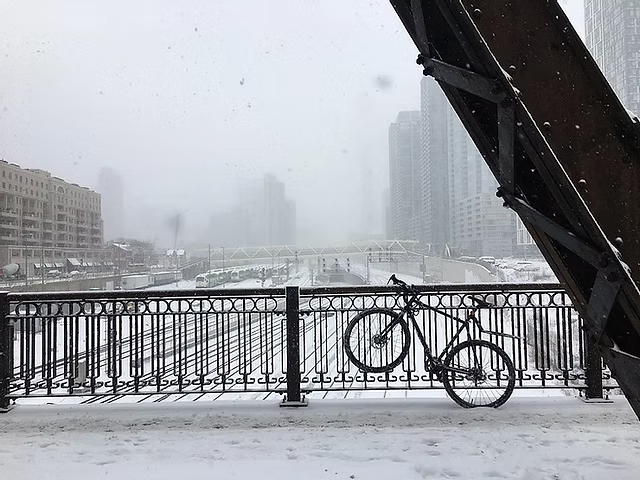
Offers practical advice for riding through Ontario winters, including using lights and visibility gear, riding according to conditions, lowering tire pressure for grip, dressing in layers, protecting the face and eyes, and maintaining the bicycle against winter wear.

Read More »

Reporting Road Violence – A Cyclist’s Guide

Provides practical steps for cyclists dealing with dangerous or violent drivers: get safe, record the licence plate when possible, collect evidence and witnesses, report the incident, and seek legal help if injured. It also explains why reporting helps build safety data.

Read More »

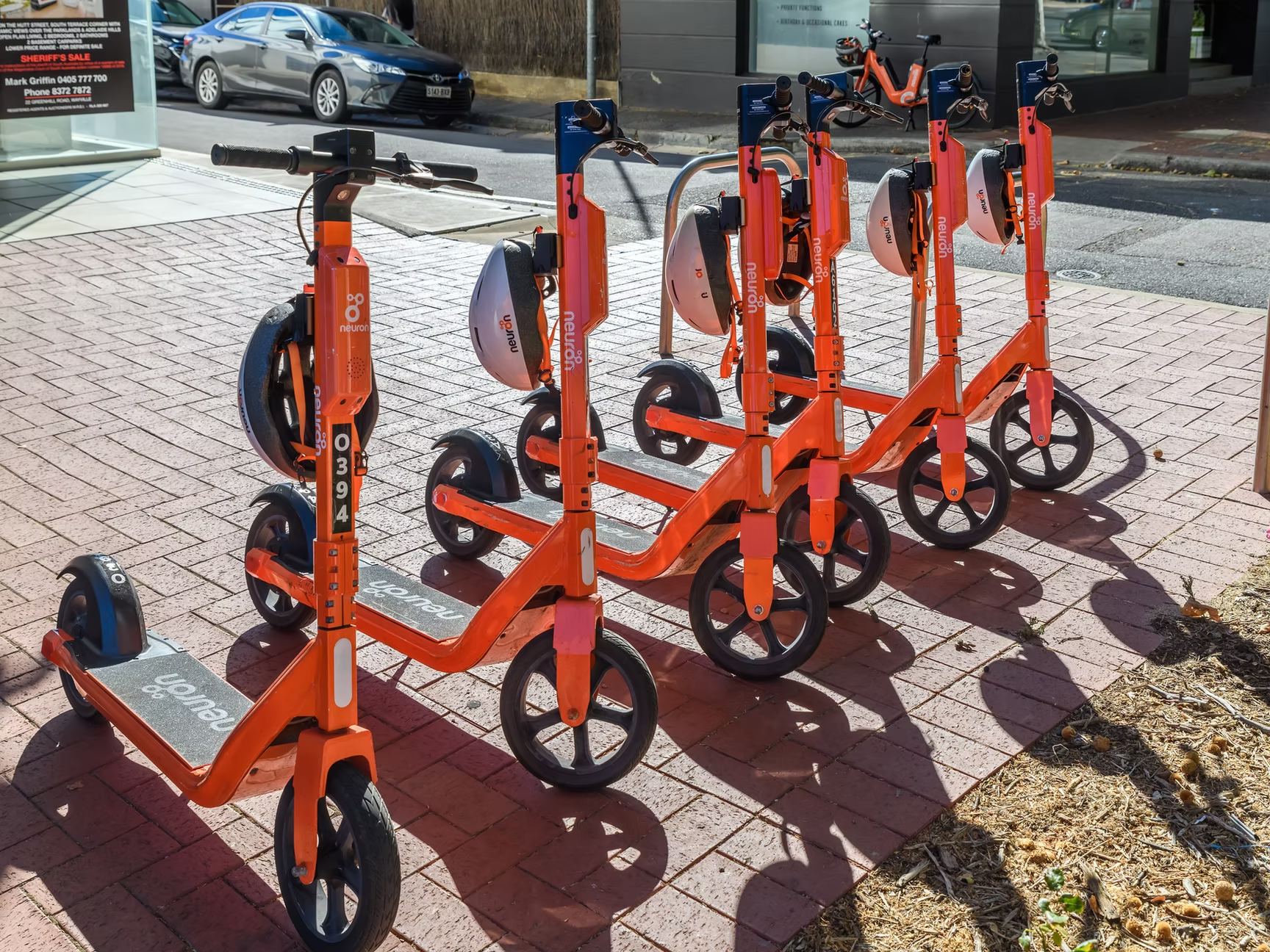
E-Scooter Accidents & the Law

Explains Ontario e-scooter rules, including equipment and operating requirements, municipal differences, and where scooters may be used. It also outlines practical steps after a collision involving a motor vehicle and discusses accident benefits and potential claims.

Read More »

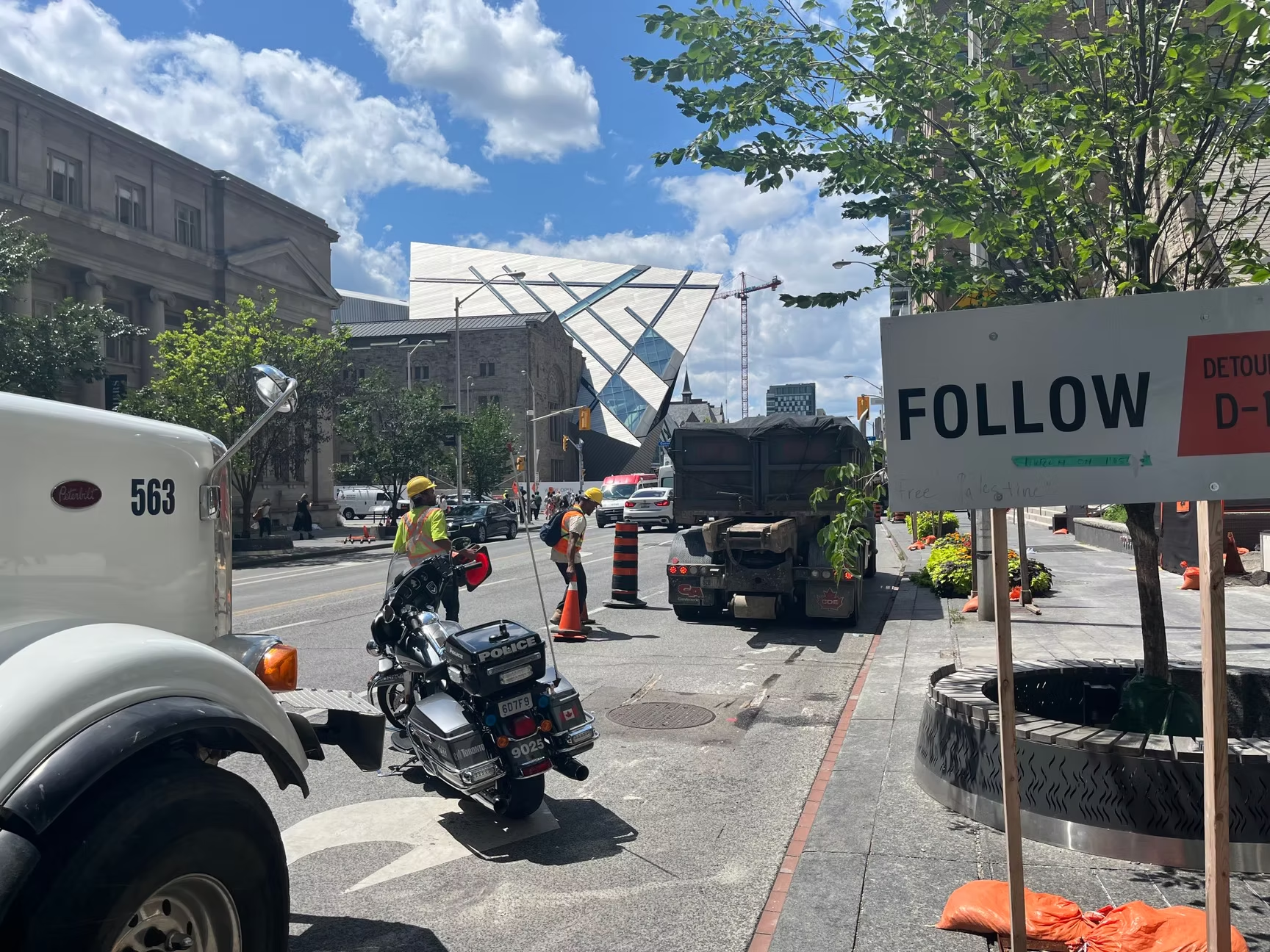
Blocked Bike Lanes & Dangerous Construction Kills Cyclist

A letter to Toronto’s mayor and council following a cyclist death near Bloor Street and Avenue Road. It calls for stronger construction-site inspections, enforcement against bike-lane blockages, continued cycling infrastructure, public education, and Vision Zero designs that prioritize safety.

Read More »

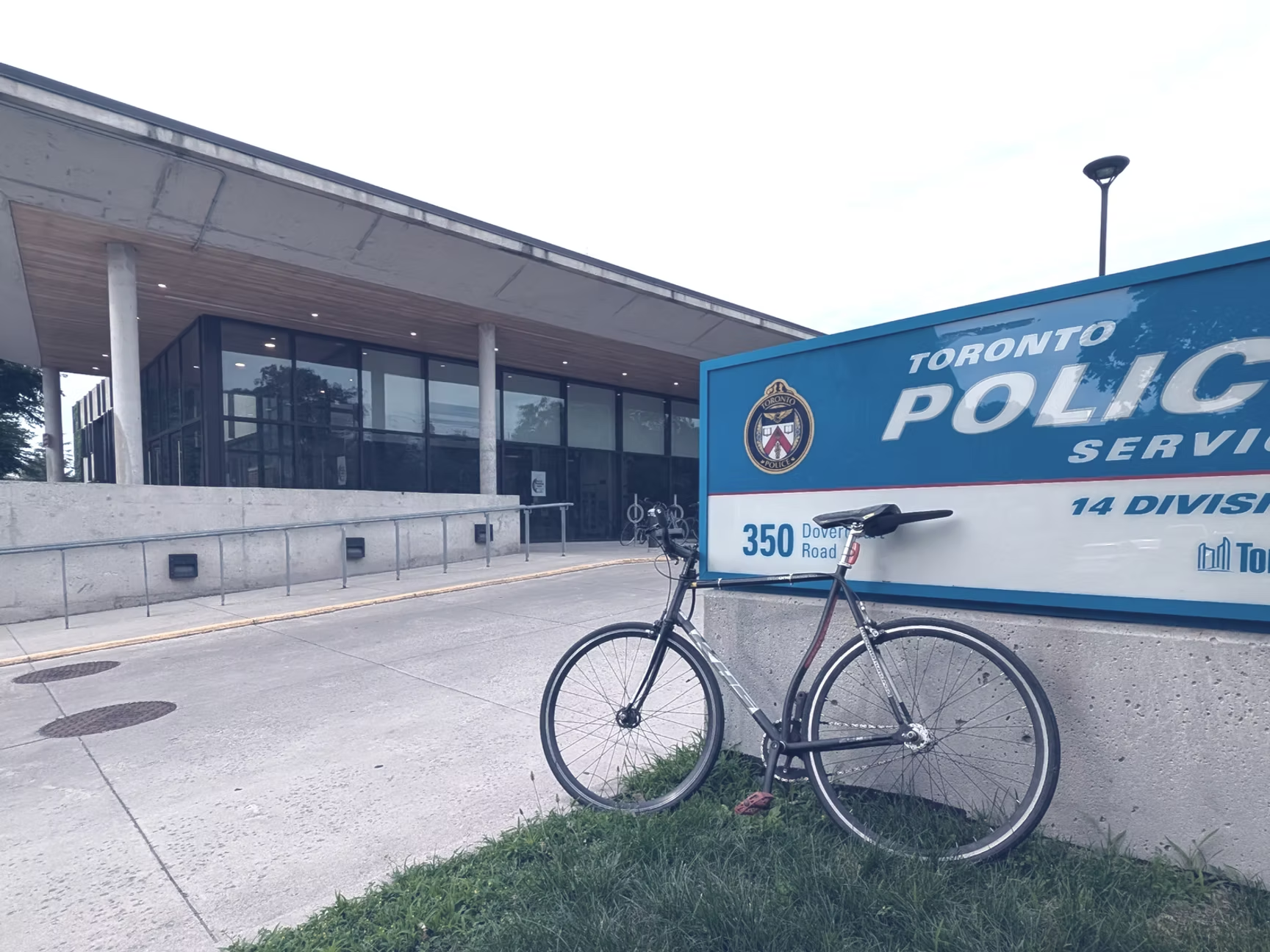
New Toronto Collision Reporting Centre: A Cyclist’s Guide

Explains Toronto’s collision reporting process for cyclists and other vulnerable road users, including the Dovercourt reporting centre. It recommends remaining at the scene when injured, documenting evidence, bringing medical information, identifying nearby cameras, and accurately reporting what happened.

Read More »